In the fast-evolving world of paint protection, there’s always a new “miracle” product on the horizon. For years, Ceramic Coating has been the undisputed king. But recently, a new contender has emerged: Graphene. Is it actually better, or is it just clever marketing? Let’s break down the science so you can decide which shield is right for your ride.
The Legend of Ceramic (SiO2)
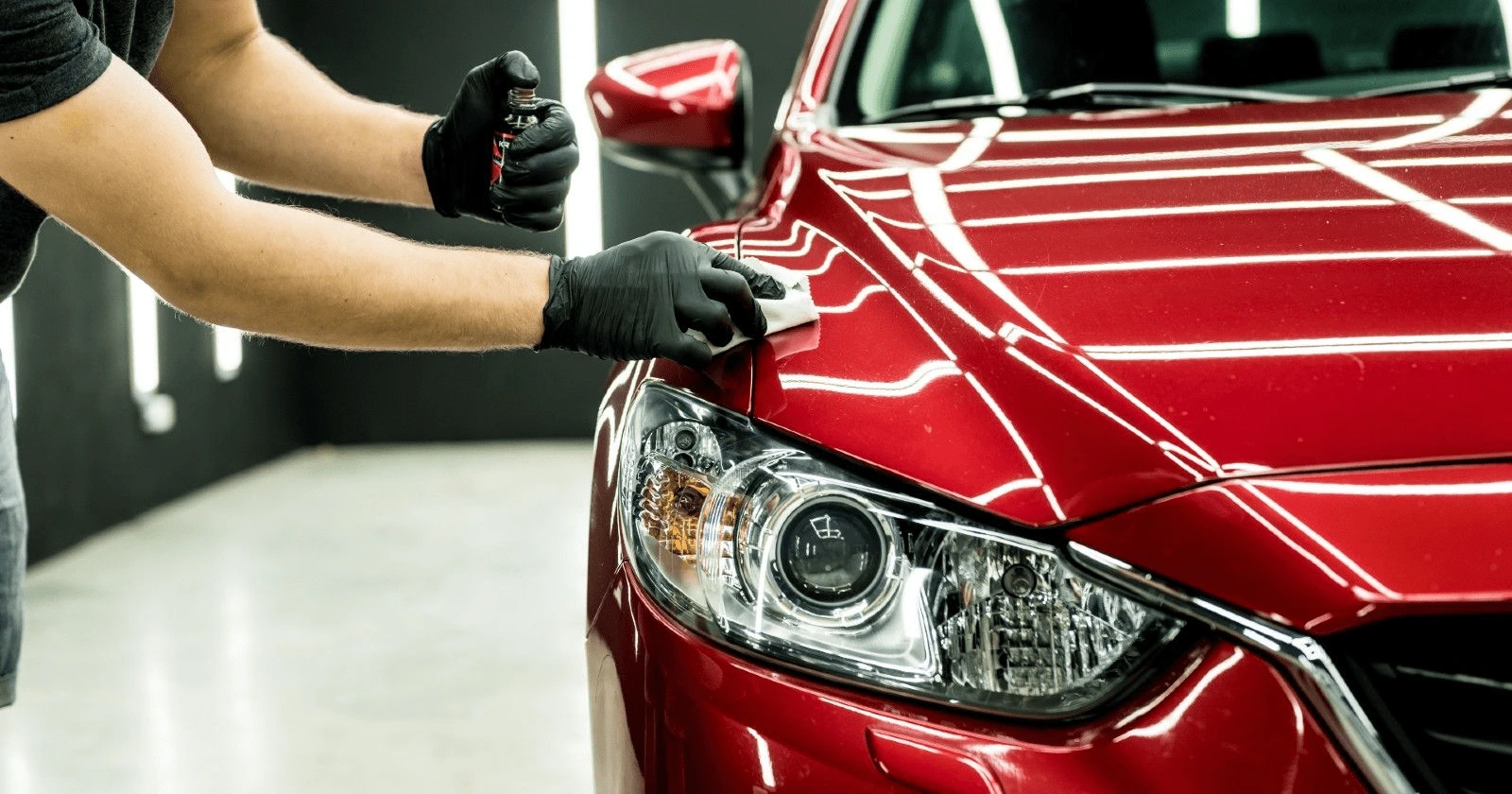
Ceramic coatings are based on Silicon Dioxide (SiO2). When applied, they bond with your paint to create a hard, sacrificial layer that is incredibly hydrophobic. The main draw of Ceramic is the gloss and ease of maintenance. It makes your car look like it’s been dipped in glass and ensures that water beads off instantly. It has been the industry standard for a reason—it works, it’s durable, and it’s been proven over a decade of real-world use.
The Graphene Edge (Reduced Graphene Oxide)
Graphene coatings are essentially ceramic coatings that have been infused with “Reduced Graphene Oxide.” In theory, Graphene is the strongest material on earth, but in a car coating, its biggest advantage is heat reduction. Because Graphene is highly conductive, it helps dissipate heat on the surface of your car. Why does that matter? It significantly reduces the risk of “water spotting”—those annoying mineral rings left behind when water evaporates off a hot hood.
Which One Wins?
If you have a dark-colored car that sits outside in the sun, Graphene might be your best bet to fight off water spots. However, if you are looking for that classic, deep-wet mirror shine and a proven track record of durability, Ceramic Coating is still the heavyweight champion. At Elite, we don’t just follow trends; we look at how you use your car. Whether it’s the heat-dissipating power of Graphene or the timeless protection of Ceramic, the goal is the same: keeping your car protected and looking incredible for years, not weeks.